How Buyer-Initiated Invoices Will Change Your Dealings With Suppliers
How Buyer-Initiated Invoices Will Change Your Dealings With Suppliers
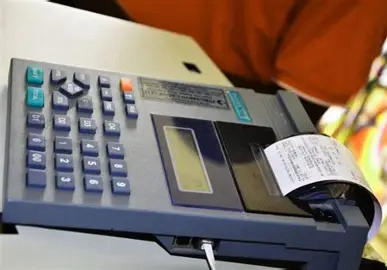
Every trader in Rwanda knows the electronic billing machine, the EBM. Until now the EBM invoice has been the seller's to issue. Since September 25, 2026 a buyer may start one. The rule is three lines long and its procedure has not yet been published, but it already binds every seller in the country, including those who are excused from using the electronic invoicing system day to day.
Where the rule sits
Article 17 of Law No. 020/2023 of March 31, 2023 on tax procedures requires a person who carries out a taxable activity to issue an invoice generated by an electronic invoicing system certified by the tax administration. Under Article 18, the user must issue that invoice to every buyer, whether or not the buyer asks for it.
Article 17 leaves the conditions of use, and the list of persons excused, to an order of the Minister. That order is Ministerial Order No. 006/26/10/TC of September 24, 2026 on the use of the Electronic Invoicing System, waiver of tax and the award given to a person for reporting a case of tax evasion. It was published in the Official Gazette n° Special of September 25, 2026 and came into force that day. Article 13 repeals Ministerial Order No. 002/13/10/TC of July 31, 2013 on modalities of use of a certified electronic billing machine.
What Article 5 says
The new rule reads as follows. In circumstances where the seller is unable to issue an invoice, the buyer initiates the invoice processing. In that case, the seller has an obligation to approve the initiated invoice as determined by the tax administration.
Three points come out of the wording.
The trigger is the seller's inability. The order does not define it. It does not say whether a seller who has a working system and declines to use it counts as unable.
Approval is a duty and not a favour. Article 3(e) lists it among the requirements of every taxpayer who must use the system, in these terms, to approve an invoice initiated by the buyer for the purpose of complying with invoice issuance obligations.
The procedure belongs to the Rwanda Revenue Authority. Until it is published, nobody can say on which screen the buyer starts or how long the seller has to approve.
The seller who is excused
Article 8 creates the class of seller for whom the rule was most likely written. A taxpayer who is not obliged to file an annual tax declaration for income tax is not required to use the electronic invoicing system on each transaction. The same sentence adds that this taxpayer is required to approve an invoice initiated by the buyer.
Read with Article 5, the effect is this. The smallest sellers no longer have to run the system for every sale. When a farmer in Kinigi sells potatoes to a hotel in Musanze, or a sand supplier in Bugesera sells to a building contractor, the buyer starts the invoice and the seller approves it. The work moves to the buyer and the sale is still recorded.
The seller whose system has failed
For a seller who must use the system, the order already had an answer to breakdown, and buyers should know it. Under Article 3(i), the seller must notify the tax administration within 12 hours if the system is stolen and within six hours if it is damaged, with a copy of the report from the competent authority. A seller who carries on trading must have a new system within five working days. Under Article 3(j), the seller meanwhile issues manual invoices in two specimens and prints the corresponding electronic invoices once the system is restored.
A buyer handed a manual invoice should therefore ask for the electronic one that must follow.
What the invoice must show
Article 6 lists the minimum contents of an invoice. They include the taxpayer's name, the seller's tax identification number, the buyer identification number, the address at which the sale takes place, the buyer's phone number, the invoice type and transaction type, a serial number in unbroken ascending order, the description, quantity and price, the total, the tax rates applied, the means of payment, which for many small sales is mobile money, and any discount.
Under Article 2, a buyer identification number may be the buyer's tax identification number, a telephone number or nine zeroes. A business buyer who wants the invoice to count in its own records should make sure its tax identification number is used and not the zeroes.
How it will be policed
Under Article 9, the tax administration uses data analytics to detect non-compliance, deploys inspectors across business centres, or does both. Every invoice that a buyer starts and a seller approves is a sale reported in the seller's name. A stallholder in Kimironko or a wholesaler in Nyabugogo who was invisible to the Rwanda Revenue Authority will now leave a record each time a larger customer buys.
What to do now
Buyers should add the seller's tax identification number, phone number and place of sale to their supplier records, starting with suppliers who do not issue electronic invoices today.
Buyers should also write into purchase terms that the supplier will approve a buyer-initiated invoice and that payment may wait until it does. He who pays the piper calls the tune.