You can set up a Rwandan company from abroad, but three things must be local
A foreign founder can register a company in Rwanda remotely and open its bank account without boarding a plane. Three things cannot be supplied from abroad: a director who lives in Rwanda, a registered office in Rwanda and a beneficial ownership filing. Arrange all three before you file.
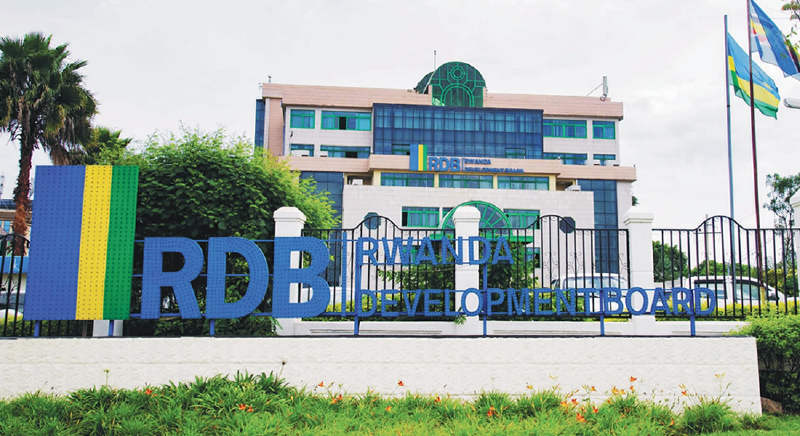
Incorporation is governed by Law n° 007/2021 of February 5, 2021 governing companies. The Office of the Registrar General, within the Rwanda Development Board, keeps the register, and applications go through the Board’s online portal.
What the filing contains
For a private company limited by shares, the founder files a name ending in “Private limited company” or “Ltd”, the memorandum of association and the share capital, which Article 55 allows in Rwandan francs or another currency the Registrar General authorises.
Shareholders give their names and addresses. A corporate shareholder files a notarised certificate of incorporation and its constitutional documents, and a parent company also files a notarised resolution approving the subsidiary. Directors give full identity and contact details, a copy of an identity card or passport and a notarised consent to act. The chairperson and managing director give the same details. Under Article 30, the company must at all times have a registered office in Rwanda, where notices and legal proceedings may be served.
Article 19 requires beneficial ownership information with the application. Under Article 116, the company then keeps a register of beneficial owners at its registered office and tells the Registrar General of any change within 14 days.
The resident director
Articles 6 and 7 require at least one director who is ordinarily resident in Rwanda. A sole director must therefore be resident, and where there are several, one is enough. The test is residence, not nationality.
A resident director is not a name on a form. The person carries the full duties of a director, so a founder who appoints a nominee should set out the nominee’s authority in writing and keep that person in the loop.
Documents signed abroad
Resolutions, consents and powers of attorney signed outside Rwanda are notarised. Most founders give a power of attorney to a representative in Rwanda, who files the application and deals with the Registrar and the bank. Agree the form of notarisation before anyone signs, because a document rejected for its form sends the file back to square one.
Opening the bank account
Rwandan law accepts the opening of accounts by electronic and other non-physical means, but the bank must still verify the company and each signatory and identify the ultimate beneficial owner. A bank will normally ask for a notarised resolution approving the account and naming the signatories, the registration certificate issued by the Rwanda Development Board, notarised specimen signatures and, for a foreign signatory, a valid passport.
An account can be opened within a day where the file is complete and already verified. A group with several layers of ownership should allow longer.
Dollars in the account, francs on the invoice
Most large banks offer accounts in US dollars, euros and pounds sterling. Holding foreign currency is one thing, and pricing in it is another. The Rwandan franc is the only legal tender for domestic transactions, prices must be shown in francs inclusive of taxes, and a resident that prices domestically in foreign currency risks a penalty of up to USD 5,000.
Rwanda has about 16 licensed commercial banks, among them Bank of Kigali, Equity Bank Rwanda, I&M Bank (Rwanda) and Ecobank Rwanda. Compare apples to apples by reading their Key Facts Statements side by side, and test each bank’s online platform, since you will run the account from abroad.
After registration
Registration gets the company off the ground. Tax, social security and data protection registrations follow. See our notes on staying compliant in Rwanda and employer liability for social security registration.
A game plan
A foreign parent company should start with the parent resolution and the notarised constitutional documents, because they take longest.
A founder with nobody in Rwanda should choose the resident director and the registered office before filing, and put both arrangements in writing.
A group with several layers should map its ownership chain to the people at the top, because the Registrar and the bank will each ask.
The bottom line is simple. Remote incorporation works well in Rwanda for founders who prepare the local pieces first and price in francs from day one.