Trends and Developments Shaping Rwanda’s Mining Sector in 2026
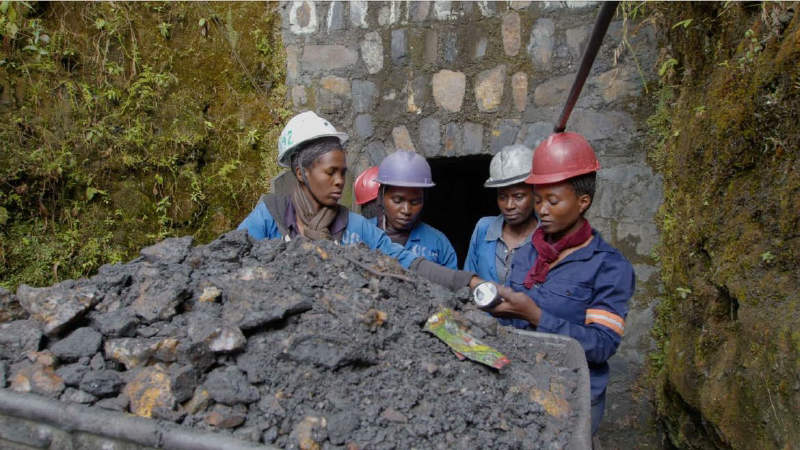
Mining is one of Rwanda’s biggest foreign exchange earners, and 2026 is shaping up as a turning point. A new legal framework is bedding in, exports of tin, tungsten and tantalum surged in 2025, regional peace and economic agreements have raised investor interest, and the sector has bounced back strongly in early 2026. This article sets out the main trends that investors, lenders and service providers should watch.
A new legal framework is now in force
The first trend is legal. The sector is now governed by Law nº 072/2024 of 26/06/2024 on mining and quarry operations, which took effect on July 24, 2024 and replaced the 2018 mining law. Licences granted under the old regime remain valid until they expire, so many operators are still working under legacy terms while the new rules apply to new grants, renewals and enforcement. The themes of the law are clear. It brings tougher penalties for illegal mining and for illicit mineral trading or export, mandatory environmental rehabilitation, the formalisation of artisanal miners and greater emphasis on environmental, social and governance (ESG) standards. It also gives government more discretion over strategic minerals, including the option of acquiring a stake in mining projects.
A new tax regime that rewards value addition
Tax has changed alongside licensing. A companion statute, Law nº 056/2024 of 26/06/2024 on minerals taxation, sets royalties generally between 0.5% and 3% depending on the mineral category, introduces an export tax on raw minerals and creates withholding obligations for local processors and exporters. Processed and unprocessed minerals are treated differently, which is a deliberate nudge towards processing in Rwanda instead of shipping out concentrates. Then, in 2025, Law nº 014/2025 of 27/05/2025 amended Law nº 027/2022 of 20/10/2022 establishing taxes on income and raised capital gains tax from 5% to 10%. For mining deal-makers the important point is that the tax now covers transfers of mining licences, debt instruments and other structured financial assets as well as shares. Sellers and buyers of mining assets should crunch the numbers again on the new basis.
Export growth and a narrowing trade gap
These reforms arrive while the sector is booming. Mineral export earnings reached USD 1.75 billion in 2024. In 2025, shipments of tin, tungsten and tantalum rose by 46.2% year on year, helped by higher global prices, new investment and a move from artisanal to mechanised mining. Better storage and processing also cut losses, and cooperatives and traders used higher earnings to prepay suppliers and extend working hours. According to the Ministry of Finance and Economic Planning, Rwanda’s trade deficit narrowed from USD 3 billion in 2024 to USD 2.7 billion in 2025. The momentum carried into 2026, when mining and quarrying output grew by 20% in the first quarter after a 1% contraction a year earlier.
Peace and partnership agreements
Regional politics have added to the optimism. On December 4, 2025, Rwanda signed two bilateral economic agreements alongside the Washington Accords for Peace and Prosperity, namely the Regional Economic Integration Framework with the Democratic Republic of Congo and the Framework Between the U.S and Rwanda for Shared Economic Prosperity. Mining is among the sectors named for cooperation, together with infrastructure, energy and agribusiness. The texts do not yet set out detailed minerals terms, so investors should treat them as a signal of direction and not as a source of enforceable rights. Even so, greater transparency in regional mineral supply chains is likely to favour operators with clean traceability records. It’s a win-win situation.
From artisanal to mechanised operations
On the ground, the move towards mechanisation is changing how minerals are produced. Larger operators are investing in underground development, processing and safety. For artisanal and small-scale miners, formalisation under the new law means licensing, cooperative structures and compliance with safety and environmental standards. Investors in the supply chain, from equipment lessors to environmental consultants, are well placed to benefit. They are ahead of the curve.
Foreign exchange rules favour mineral traders
Currency rules complete the picture. The National Bank of Rwanda has tightened foreign currency rules through Regulation n° 89/2025 of 23/05/2025 amending the Regulation n° 42/2022 of 13/04/2022 governing foreign exchange operations. However, its Directive on Foreign Exchange Operations of September 17, 2025 lists mining operators trading in minerals among the categories that may transact in foreign currency. Mining businesses should still confirm in writing that their activities fall within the exemption, and they should price local sales in RWF. It’s a win-win situation.
What this means for investors
Taken together, these trends suggest a clear game plan. Investors should first check their licence status, so that they know whether they hold a legacy licence or one issued under the new law, and should diarise expiry and renewal dates. They should then re-run their deal models, because the 10% capital gains tax, the export tax on raw minerals and the royalty bands can change returns materially. Investment in processing deserves attention, since the tax design favours value addition and processing also reduces exposure to commodity price swings. ESG should be built into operations from day one, because rehabilitation duties, community engagement and traceability are legal requirements and also conditions set by many lenders and buyers. Lastly, in strategic minerals, investors should assume that the government may seek an equity stake and should negotiate the terms upfront. Rwanda’s mining sector is moving from a low-tech, artisanal base towards a more regulated, mechanised and export-oriented industry. A clearer legal framework, strong export growth and improving regional relations are positive signs. Investors who read the fine print on taxes, licensing and ESG will be best placed to turn those trends into a solid return. Time to get the ball rolling.